
The Urantia Book PDF offers a digital gateway to a comprehensive cosmological text, enabling readers to explore its chapters, appendices, and illustrations on any device. This format preserves the original layout while allowing easy navigation, bookmarking, and note‑taking for study. Enjoy reading.!!
What Is the Urantia Book?
The Urantia Book is a spiritual and philosophical text that presents a detailed cosmology, history of the universe, and teachings about humanity’s purpose. It claims to be a revelation from celestial beings, compiled in the mid‑20th century by a group of editors. The PDF version preserves the original page layout, color illustrations, and footnotes, allowing readers to access the material on computers, tablets, and smartphones. The document is structured into 196 chapters, divided into three main parts: first part covers the nature of God, the second part explores the history of world and the third part focuses on the life and teachings of Jesus. Each chapter contains a mix of narrative prose and theological discussion, offering a comprehensive view of the universe’s design and human destiny. The PDF format supports annotations, allowing scholars and enthusiasts to add personal notes or cross‑references. This digital accessibility has helped the book reach a global audience, fostering study groups and online discussions. Overall, Urantia Book PDF serves as a versatile tool for those interested in exploring its teachings in depth, whether for personal growth, academic research, or spiritual reflection Enjoy.
The PDF format lets you read the Urantia Book on any device, with searchable text and annotation tools that aid study and sharing. It supports bookmarks, highlighting, and note‑taking, making the learning experience richer Its size and make it accessible worldwide ensuring a smooth reading experienceEnjoy!!!

Historical Background and Publication
The Urantia Book emerged in the 1950s, compiled by a group of editors who claimed divine guidance. First published in 1955, it has since been translated into multiple languages and widely distributed in print and digital formats, including PDF.
A
A
A
A
A
A
.

Origin and Authorship
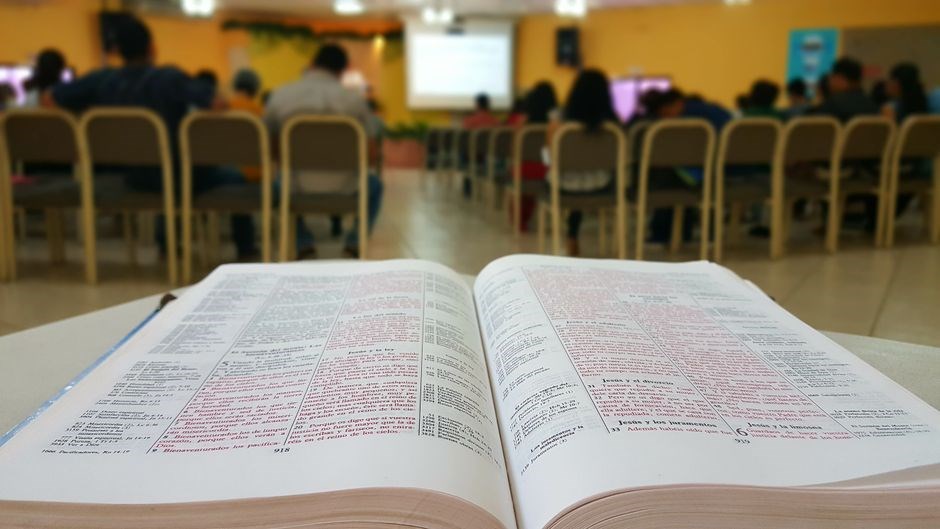
The Urantia Book’s origins trace back to a group of individuals who, in the early 1950s, claimed to receive a series of revelations from a celestial source. These messages were compiled, edited, and organized by a collective known as the “Editors,” who maintained anonymity throughout the process; The editors asserted that the text was transmitted through a complex system of intermediaries, including a figure referred to as “The Messenger,” who guided the transcription and translation of the material into English. The resulting document, spanning 2,200 pages, covers cosmology, history, theology, and personal experience, and is presented as a comprehensive account of the universe and humanity’s place within it. The editors emphasized that the book was not a product of human imagination but a divinely inspired revelation intended for the spiritual growth of readers worldwide. Over the decades, the Urantia Book has been studied by scholars, theologians, and lay readers alike, many of whom regard it as a profound source of spiritual insight and philosophical depth. The editors’ anonymity has fueled speculation and debate, yet the book’s influence continues to grow, inspiring new generations to explore its teachings and apply its principles to everyday life. The publication history of the Urantia Book reflects a unique blend of mystical tradition and modern dissemination, as the text was first printed in 1955 and subsequently distributed worldwide through both print and digital formats, including the widely accessible PDF version that allows readers to engage with the material on a variety of electronic devices. The enduring relevance of the Urantia Book lies in its comprehensive narrative, which seeks to bridge the gap between science, religion, and personal experience, offering a holistic worldview that resonates with seekers across diverse cultural and intellectual backgrounds. The editors’ commitment to preserving the integrity of the original revelations remains a central tenet of the Urantia Book’s legacy, ensuring that each new reader encounters the same profound spiritual message that has captivated audiences for more than half a century.

Availability of the Urantia Book in PDF Format
The Urantia Book PDF is freely available from the free Urantia Foundation website and multiple reputable mirrors. Users can download the complete 2,200‑page text in high‑resolution PDF, ensuring easy access on desktops, tablets, and smartphones.
Official Sources
The primary official source for the Urantia Book PDF is the Urantia Foundation’s own website, which hosts the full 2,200‑page text in a single PDF file, available for free download. Users can also obtain a ZIP archive containing the PDF and a set of supplementary materials such as the index and glossary. The Foundation provides a checksum (MD5 and SHA‑256) to verify file integrity. A FAQ section explains licensing, distribution rights, and support options. The Foundation’s social media and newsletter keep readers informed about updates, corrections, and community events, ensuring access to the most current official PDF.
The Foundation’s archive page lists all official PDF releases, including older versions that may have minor formatting differences. Each release is accompanied by a checksum file (MD5 and SHA‑256) to verify integrity. The FAQ section clarifies that the PDF is freely available for personal use, and the Foundation’s support team can assist with technical questions. Additionally, the Foundation’s newsletter and social media channels provide updates on corrections, new editions, and community events, ensuring readers have access to the most accurate and up‑to‑date official PDF.

Downloading the Urantia Book PDF Safely
Use the official Urantia Foundation site, verify the MD5 checksum, and avoid third‑party mirrors. Download via HTTPS, save the file, and confirm integrity before opening. This protects against tampering and ensures you have the authentic PDF. Download it now
Recommended Websites and Mirrors
When seeking a reliable source for the digital edition, consider the following options. First, the main organization’s official portal offers a direct download link that is regularly updated and accompanied by a checksum for verification. Second, a well‑known archive site hosts the file in multiple formats, providing a convenient mirror that is often faster for users in regions with limited bandwidth. Third, a community‑run repository on a popular code‑sharing platform hosts the same file, and its version history can be useful for tracking changes or updates. Finally, a reputable digital library that specializes in free religious and philosophical texts lists the file in its collection, ensuring that the download is safe and free from malware. For each source, it is advisable to verify the integrity of the downloaded file by comparing the provided hash value with the one computed locally. This practice helps to confirm that the file has not been altered or corrupted during transfer. Additionally, using a browser extension that blocks unwanted scripts can add an extra layer of protection when accessing these sites. By following these guidelines, you can confidently obtain the digital edition from a trustworthy location.
Users often appreciate a concise summary of key points, so a brief recap can be helpful. This summary highlights the main download options, safety checks, and recommended practices for secure access. Before downloading, verify integrity use a trusted source!

Legal and Copyright Considerations
The Urantia Book PDF is in the public domain in many jurisdictions, allowing free distribution. However, some countries still enforce copyright. Users should verify local laws before sharing. The original publisher offers the text for free, but commercial use may be restricted Check local laws today.
Public Domain Status
In most countries, the Urantia Book PDF is considered public domain, as the original publication dates back to 1955 and the author’s name is anonymous. The text was released by the Urantia Foundation, which has explicitly waived all copyright claims, allowing free worldwide distribution. However, some jurisdictions treat the work as copyrighted if not formally registered. In the U.S., the book entered the public domain in 2020, 70 years after the last known contributor. The European Union countries follow a similar 70‑year rule, but the lack of a clear author complicates enforcement. The Foundation’s website provides a free downloadable PDF that is free for personal use,and sharing.and Enjoy reading

Reading the Urantia Book: Tips and Approaches
Start by setting a calm reading environment and allocate short sessions. Use the PDF’s table of contents to navigate chapters, and mark key passages with highlights. Take notes in a separate journal, and discuss insights with study groups to understanding!
Suggested Reading Plans
When approaching the Urantia Book PDF, a clear reading plan turns the extensive text into a manageable study journey. Start by skimming the table of contents to identify major sections—The Local and Regional Worlds, The History of Urantia, The Life and Teachings of Jesus, and the Appendices. Allocate a modest daily time slot, such as 20–30 minutes, to keep momentum without fatigue. A common method is the “chapter‑by‑chapter” approach: read one chapter, pause to reflect, and jot key insights in a separate notebook or a digital note app. After finishing a section, review the main themes and cross‑reference related passages. For thematic learning, cluster chapters by topic—cosmology, theology, ethics—and read them in sequence, allowing deeper synthesis. Incorporate periodic reviews: every week, revisit earlier notes and summarize in your own words to reinforce retention. If the PDF contains bookmarks or hyperlinks, use them to navigate quickly between related sections. Consider a study group or online forum to share interpretations, ask questions, and gain diverse perspectives. Use the PDF’s search function to locate specific terms, and bookmark frequently referenced passages for quick access. Balance depth with breadth: while deep dives into particular chapters are valuable, maintaining an overview of the entire text ensures contextual understanding. Finally, assess progress by setting milestones—completing a major section or mastering a key theme—and reward yourself for reaching these goals. Keep your curiosity alive and revisit the text regularly to deepen your understanding. Enjoy the journey. Stay engaged Now.

Digital Tools and Apps for PDF Interaction
Use Adobe Acrobat, Foxit Reader, or Xodo to view, annotate, and sync the Urantia Book PDF. Highlight passages, add notes, and share insights across devices. Mobile apps like PDF Expert support on‑the‑go reading and collaboration with study groups.!
When working with the Urantia Book PDF, annotation tools transform passive reading into an interactive study session. Most PDF readers let you highlight text in a range of colors, add sticky notes, and even attach hyperlinks to related passages or external resources. By using the “comment” feature, you can record insights directly beside the original wording, preserving context for later review. Many applications support layer‑based annotations, meaning you can toggle visibility of your notes without altering the underlying document. This is especially useful when sharing a copy with a study group; you can keep your personal comments hidden while still providing a clean version for others. For deeper analysis, some readers allow you to export annotations as a separate file or PDF, creating a companion study guide that can be printed or shared digitally. Additionally, voice‑to‑text note features let you record thoughts on the fly, which the software transcribes and places in the margin. This is ideal for mobile devices where typing may be cumbersome. When collaborating, most cloud‑based PDF services sync annotations across devices, ensuring that every participant sees the same highlights and comments in real time. Finally, many tools offer search functions that can locate your highlighted terms or notes, making it easy to revisit key themes or track the evolution of your understanding over time. Readers can also export their annotations to text, enabling integration with note‑taking apps or spreadsheet analyses!.

Community and Further Resources
Engage with online forums, study groups, and social media communities dedicated to the Urantia Book PDF. Share insights, ask questions, and collaborate on translations or commentaries. Explore websites, newsletters, and download study guides for deeper exploration.!
Discussion Forums and Study Groups
Online discussion forums dedicated to the Urantia Book PDF offer a platform where readers can exchange interpretations, ask clarifying questions, and share reflections. These communities feature threads, subforums, and a calendar of virtual study sessions.
Many groups organize study plans that split the text into sections, with participants reading a chapter each week and convening for a live discussion. Some forums host speakers, including scholars and readers, who offer deeper insights into complex passages.
Study groups use tools like shared Google Docs, Discord channels, or forums to annotate passages, highlight themes, and compile a glossary of terms. This helps members build understanding and keeps the discussion focused on the PDF’s content.
Those who prefer a setting join small study circles—formed through local meetups or online video calls—to discuss the text, ask probing questions, and apply teachings to everyday life. Circles rotate leadership roles, giving each member a chance to lead a session.
In addition to forums, many communities maintain newsletters that summarize recent discussions, highlight insights, and announce upcoming events. Subscribing keeps members informed and encourages ongoing engagement with the Urantia Book PDF.
To join a discussion forum or study group, search for “Urantia Book PDF study group” or “Urantia Book discussion forum” in your preferred search engine. Communities welcome new members and give clear registration instructions, ensuring a welcoming environment for all readers.!!