
A 5000 calorie diet, often explored in downloadable PDFs, aims for significant weight gain or muscle building․ Individuals experiment with daily intake, as seen in experimental 24-hour challenges․
Why Consider a 5000 Calorie Diet?
A 5000 calorie meal plan, frequently detailed in PDF guides, is primarily considered by individuals with exceptionally high metabolic rates or those engaged in intense physical activity․ Many athletes, particularly those focused on building muscle mass, utilize such plans to fuel rigorous training regimens․ The diet supports substantial weight gain, offering a strategy for those struggling to add bulk․
Furthermore, individuals recovering from illness or surgery may require increased caloric intake to rebuild tissue and regain strength․ Exploring downloadable PDFs can provide structured approaches, while experimental challenges demonstrate the commitment needed․ It’s a focused approach for specific goals․
Who Benefits from a High-Calorie Diet?
Individuals actively pursuing muscle hypertrophy, often referencing 5000 calorie meal plan PDFs, are prime candidates․ Athletes in sports demanding significant power and size, like weightlifting or football, frequently benefit from increased caloric intake to support training demands and recovery․ Those with fast metabolisms who struggle to maintain weight also find high-calorie diets advantageous․
Furthermore, individuals recovering from significant medical events, requiring rapid tissue repair, may need this approach․ Even those undertaking experimental 24-hour challenges demonstrate a focused caloric need․ Ultimately, a high-calorie diet isn’t universal, but targeted for specific physiological goals․
Understanding Calorie Density
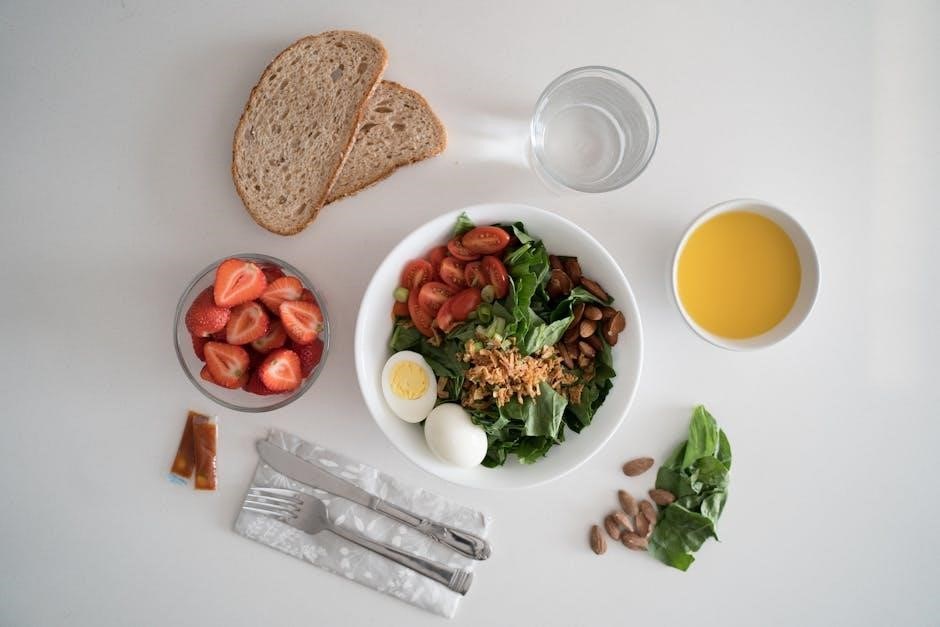
Calorie density, crucial for 5000 calorie meal plan PDFs, focuses on maximizing calories per serving․ This simplifies reaching high intake goals efficiently and practically․
What are Calorie-Dense Foods?
Calorie-dense foods, vital when reviewing a 5000 calorie meal plan PDF, deliver a substantial amount of energy relative to their portion size․ These aren’t necessarily “unhealthy” – think nuts, seeds, avocados, dried fruits, and healthy oils․ They pack a caloric punch without requiring large volumes of food, making it easier to achieve a 5000 calorie target․
For example, a small handful of nuts contains significantly more calories than a large serving of leafy greens․ When constructing a high-calorie diet, prioritizing these foods is essential․ They allow individuals to meet their energy needs without feeling overly full or struggling to consume massive quantities of food throughout the day․ Understanding this concept is key to successful implementation of any such plan․
Benefits of Incorporating Calorie-Dense Options
When utilizing a 5000 calorie meal plan PDF, calorie-dense foods offer significant advantages․ They simplify reaching daily caloric goals, preventing the need to eat excessively large volumes․ This is particularly helpful for individuals with smaller appetites or digestive sensitivities․ Focusing on nutrient-rich options like avocados, nuts, and oils supports overall health while fueling high-energy demands․
Furthermore, these foods often provide essential fats and micronutrients crucial for muscle growth and recovery․ Integrating them into your diet makes adherence more manageable and sustainable․ It’s about quality calories, not just quantity, ensuring optimal results from your high-calorie approach․

Meal Plan Structure: Key Considerations
A 5000 calorie meal plan PDF requires careful structuring, emphasizing frequent meals and snacks to facilitate consistent nutrient delivery and optimal digestion․
Macronutrient Ratios for a 5000 Calorie Diet
Determining appropriate macronutrient ratios is crucial when following a 5000 calorie meal plan, often detailed in downloadable PDFs․ A common starting point prioritizes carbohydrates for energy, followed by protein for muscle repair and growth, and finally, healthy fats for hormonal balance and overall health․ A suggested ratio could be approximately 50-60% carbohydrates, 25-30% protein, and 20-25% fats․
However, these percentages should be adjusted based on individual goals, activity levels, and body composition․ Those focused on intense strength training might benefit from a higher protein intake, while individuals with faster metabolisms may require more carbohydrates․ Consulting a nutritionist or reviewing detailed PDF guides can help personalize these ratios for optimal results and sustained energy throughout the day․
Frequency of Meals and Snacks
Successfully consuming 5000 calories daily, as outlined in many 5000 calorie meal plan PDFs, necessitates frequent meals and strategically timed snacks․ Attempting to eat this volume in just three large meals can be overwhelming and lead to digestive discomfort․ Instead, aim for 5-7 smaller meals and snacks spread throughout the day․
This approach ensures a consistent supply of nutrients and energy, supporting muscle protein synthesis and preventing excessive fullness․ Incorporating liquid calories through smoothies or shakes, as suggested in various plans, can also aid in reaching the daily calorie target․ Consistent timing and portion control are key to maintaining a comfortable and effective eating schedule․

Sample 5000 Calorie Meal Plan — Day 1
A typical day, detailed in 5000 calorie meal plan PDFs, involves strategically spaced, calorie-dense meals and snacks to achieve the substantial daily intake goal․
Breakfast (Approximately 800-1000 Calories)
Kickstarting a 5000 calorie plan requires a substantial breakfast, often detailed in comprehensive PDFs․ Consider a large bowl of oatmeal (around 300-400 calories) with added nuts, seeds, and fruit․ Supplement this with a protein shake containing whey protein, milk, and a banana – easily reaching 300-400 calories․ Adding a side of eggs (3-4) cooked in butter provides healthy fats and additional protein, contributing another 200-300 calories․ Some plans suggest including a whole-wheat toast with avocado for extra calories and nutrients․ Prioritize calorie density and nutrient-rich options to efficiently meet the initial caloric needs of the day, as outlined in many downloadable meal plans․
Mid-Morning Snack (Approximately 500 Calories)
Maintaining consistent calorie intake necessitates a strategic mid-morning snack, frequently detailed within 5000 calorie meal plan PDFs․ A substantial option is a handful of mixed nuts (almonds, walnuts, cashews) providing healthy fats and protein – roughly 300-400 calories․ Pair this with a Greek yogurt (full-fat) and a tablespoon of honey for added carbohydrates and sweetness, contributing around 100-200 calories․ Alternatively, a protein bar specifically designed for weight gain can be a convenient choice․ These snacks bridge the gap between breakfast and lunch, ensuring a steady stream of calories throughout the day, as recommended in various plans․
Lunch (Approximately 1000-1200 Calories)
Lunch, a cornerstone of a 5000 calorie meal plan – often outlined in detailed PDFs – requires a substantial and nutrient-rich composition․ A large chicken breast (or equivalent protein source) with a cup of brown rice and a generous serving of roasted vegetables (sweet potatoes, broccoli) forms a solid base, totaling around 600-800 calories․ Supplement this with a side of avocado (healthy fats) and a whole-wheat roll with butter, adding another 200-400 calories․ Many plans emphasize calorie density, so incorporating olive oil into the vegetables or adding a protein shake alongside lunch can further boost caloric intake․
Afternoon Snack (Approximately 500 Calories)
The afternoon snack, crucial within a 5000 calorie plan (often detailed in PDF guides), bridges the gap between lunch and dinner․ A substantial option could be a large Greek yogurt (full-fat) with a scoop of protein powder, mixed berries, and a handful of granola – approximately 300-400 calories․ Alternatively, a peanut butter and banana sandwich on whole-wheat bread, paired with a small glass of milk, provides similar caloric value․ Liquid calories, like a smoothie containing fruits, yogurt, and nut butter, are also effective․ Prioritize calorie-dense choices to efficiently meet daily goals․
Dinner (Approximately 1200-1500 Calories)
Dinner, a cornerstone of a 5000 calorie meal plan (often outlined in PDF resources), demands a substantial and nutrient-rich composition․ A large portion of grilled salmon (or another fatty fish) with a side of sweet potatoes and roasted vegetables provides a solid base – around 700-800 calories․ Adding a cup of quinoa or brown rice boosts carbohydrate intake․ To reach the target, incorporate a healthy fat source like avocado or olive oil․ Consider a protein shake post-dinner for additional calories and muscle recovery, aligning with muscle-building goals frequently detailed in such plans․
Evening Snack (Approximately 500 Calories)
The evening snack, crucial within a 5000 calorie meal plan (often detailed in PDF guides), should be easily digestible yet calorie-dense․ A combination of Greek yogurt with granola, nuts, and a drizzle of honey provides around 400 calories and sustained energy․ Alternatively, a casein protein shake blended with whole milk and a banana offers a slower-releasing protein source, ideal for overnight muscle recovery․ These options, frequently suggested in plans focused on weight gain, help bridge the gap and ensure sufficient caloric intake before sleep․

Food Choices for a 5000 Calorie Diet
PDF meal plans emphasize healthy fats, complex carbohydrates, and lean proteins․ These choices support a high-calorie intake for muscle gain and overall energy needs․
Healthy Fats Sources
Incorporating ample healthy fats is crucial when following a 5000 calorie meal plan, often detailed in downloadable PDF guides․ These fats are calorie-dense, aiding in reaching the daily target efficiently․ Excellent sources include avocados, nuts (almonds, walnuts, macadamia), seeds (chia, flax, sunflower), and olive oil․ Fatty fish like salmon and mackerel provide both healthy fats and lean protein․ Nut butters, such as peanut or almond butter, are convenient and versatile additions․ Remember to prioritize unsaturated fats over saturated and trans fats for optimal health benefits․ Including these sources ensures sufficient caloric intake while supporting overall well-being, as outlined in many comprehensive meal plans․
Complex Carbohydrate Options
A 5000 calorie meal plan, frequently found as a PDF resource, necessitates substantial complex carbohydrate intake for sustained energy․ Prioritize options like brown rice, quinoa, sweet potatoes, and oats․ These provide essential nutrients alongside calories․ Whole-wheat pasta and bread are also suitable choices, but portion control is key․ Fruits like bananas, mangoes, and pineapples contribute natural sugars and vitamins․ Legumes, including lentils and beans, offer both carbohydrates and protein․ Strategically incorporating these complex carbs throughout the day, as detailed in meal plan PDFs, supports energy levels and aids in achieving the high caloric goal without relying on simple sugars․
Lean Protein Sources
A comprehensive 5000 calorie meal plan, often available as a downloadable PDF, demands ample lean protein for muscle repair and growth․ Excellent choices include chicken breast, turkey, fish (salmon, tuna), and lean beef․ Plant-based options like tofu, tempeh, and lentils are also valuable․ Eggs are a versatile and cost-effective protein source․ Greek yogurt and cottage cheese provide casein protein, ideal before bed․ Protein shakes, utilizing whey or casein, can supplement intake․ Meal plan PDFs typically outline specific protein targets per meal, ensuring sufficient consumption to support the high-calorie diet’s objectives․

Tips for Successfully Consuming 5000 Calories
PDF meal plans suggest liquid calories via smoothies and shakes simplify intake․ Making meals appealing is key; consistency is vital for achieving goals․
Liquid Calories: Smoothies and Shakes
Incorporating smoothies and shakes is a highly effective strategy when following a 5000 calorie meal plan, often detailed in downloadable PDF guides․ These beverages offer a convenient and palatable way to significantly boost caloric intake, especially for individuals struggling to consume large volumes of solid food․ They allow for easy customization with calorie-dense ingredients like nut butters, protein powders, fruits, and healthy fats․
PDF resources frequently showcase recipes designed to pack maximum calories into each serving․ Blending ingredients ensures efficient digestion and absorption, minimizing potential digestive discomfort․ Smoothies and shakes can be strategically timed – post-workout for recovery, or as meal replacements when time is limited․ Remember to prioritize whole food sources whenever possible, but utilize these liquid options to bridge any caloric gaps and maintain consistency with your plan․
Making Meals More Appealing
Adhering to a 5000 calorie meal plan, as outlined in many downloadable PDF resources, requires consistent consumption of substantial food volumes․ To combat potential meal fatigue, prioritizing palatability is crucial․ Experiment with diverse flavors, spices, and cooking methods to keep meals interesting and enjoyable․ Presentation matters – visually appealing plates can stimulate appetite․
PDF guides often suggest incorporating favorite foods strategically, even if they aren’t strictly “health foods,” to enhance adherence․ Don’t be afraid to indulge in occasional treats within your calorie targets․ Focus on creating a sustainable and enjoyable eating experience, rather than viewing it as a restrictive diet․ This approach fosters long-term success and prevents burnout․

Potential Challenges and How to Overcome Them
PDF plans reveal potential digestive issues and maintaining balance․ Prioritize mindful eating, adequate hydration, and consider digestive enzymes for smoother calorie consumption․
Digestive Issues
Consuming 5000 calories daily, as detailed in many a 5000 calorie meal plan PDF, can significantly challenge the digestive system․ The sheer volume of food, particularly when rapidly increased, often leads to bloating, discomfort, and even gastrointestinal distress․ Individuals may experience issues like indigestion, gas, and altered bowel movements․
To mitigate these problems, gradual increases in caloric intake are crucial․ Prioritizing easily digestible foods and incorporating digestive enzymes can also provide relief․ Staying adequately hydrated is paramount, as water aids in the breakdown and movement of food through the digestive tract․ Careful food selection, avoiding overly processed items, and mindful eating practices are also beneficial strategies․
Maintaining a Balanced Diet
While a 5000 calorie meal plan PDF focuses on high intake, nutritional balance remains critical․ Simply increasing calories without considering macronutrient ratios can be detrimental to health․ A balanced approach prioritizes lean proteins for muscle repair, complex carbohydrates for sustained energy, and healthy fats for hormonal function․
Micronutrient intake – vitamins and minerals – is equally important․ Ensure the plan incorporates a variety of fruits, vegetables, and whole grains․ Avoid relying solely on calorie-dense processed foods․ Regularly assessing dietary composition and making adjustments based on individual needs is essential for long-term health and optimal results․

Tracking Your Progress
Monitoring calorie intake, as detailed in a 5000 calorie meal plan PDF, is vital․ Adjustments based on observed results ensure the plan remains effective and personalized․
Importance of Monitoring Calorie Intake
Precisely tracking your daily calorie consumption is paramount when following a 5000 calorie meal plan, often detailed within a downloadable PDF resource․ This isn’t merely about hitting a number; it’s about understanding your body’s response to such a substantial intake․ Consistent monitoring allows for necessary adjustments to macronutrient ratios and portion sizes, ensuring optimal results․
Without diligent tracking, it becomes difficult to determine if you’re truly achieving the desired weight gain or muscle growth․ A PDF plan provides a framework, but individual metabolic rates and activity levels vary․ Regularly logging your food intake – utilizing apps or a simple journal – provides valuable data for fine-tuning the plan and maximizing its effectiveness․ It’s a cornerstone of success․
Adjusting the Plan Based on Results
A 5000 calorie meal plan, often outlined in a PDF, isn’t a static prescription․ Regular assessment of your progress is crucial for optimal outcomes․ If weight gain stalls or is excessive, adjustments are necessary․ Monitor your body composition – muscle mass versus fat gain – to refine the macronutrient ratios detailed in the PDF․
Consider factors like activity level and metabolic response․ If digestive issues arise, modify food choices or meal frequency․ The PDF serves as a starting point; personalized tweaks are essential․ Don’t hesitate to increase or decrease calorie intake incrementally, based on observed results, ensuring a sustainable and effective approach to achieving your goals․
The Role of Exercise with a 5000 Calorie Diet
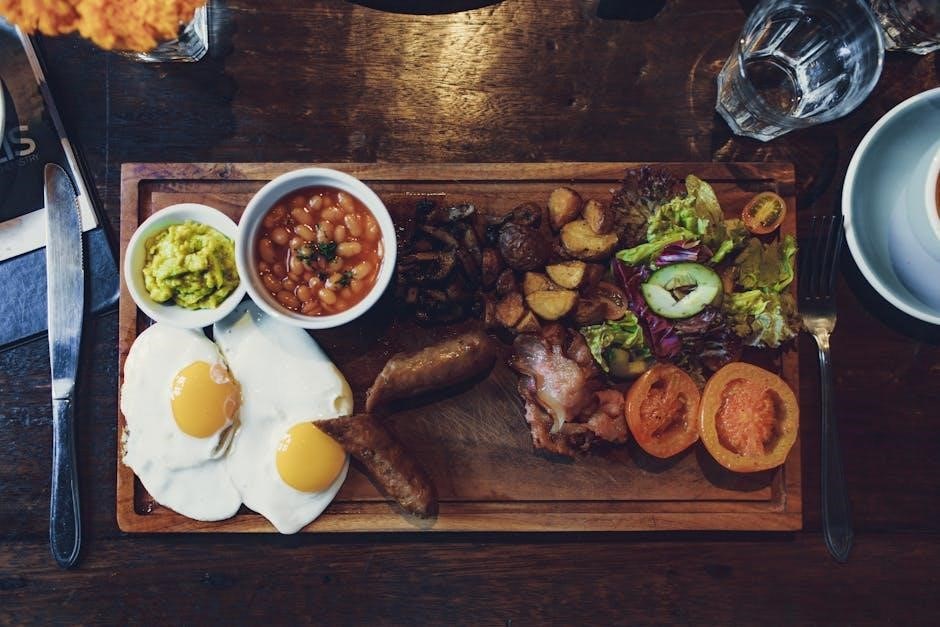
Combining a 5000 calorie plan (often detailed in a PDF) with strength training maximizes muscle gain․ Functional fitness and regular workouts are key components․
Combining Diet with Strength Training
A 5000 calorie meal plan, frequently found as a downloadable PDF, is most effective when paired with a robust strength training regimen․ The increased caloric intake provides the necessary fuel for intense workouts and subsequent muscle recovery and growth․ This synergy is crucial for individuals aiming to build significant muscle mass, as highlighted in various training philosophies focused on functional fitness․
Without consistent resistance exercise, a substantial portion of the excess calories may be stored as fat rather than contributing to lean muscle development․ Therefore, incorporating weightlifting, bodyweight exercises, or other forms of strength training is paramount to optimizing the benefits of a high-calorie diet․ The PDF guides often emphasize this crucial connection․
Cardiovascular Exercise Considerations
While a 5000 calorie meal plan, often detailed in downloadable PDFs, primarily supports muscle gain, cardiovascular exercise still plays a role, though it requires careful consideration․ Excessive cardio can counteract the goal of a caloric surplus, potentially hindering weight gain․ However, moderate cardiovascular activity supports overall health and improves nutrient delivery to muscles․
The key is balance․ Prioritize strength training, and incorporate cardio strategically – perhaps low-intensity steady-state cardio a few times a week․ Individuals following these plans should monitor their body composition and adjust cardio frequency based on their progress․ The PDF resources often suggest prioritizing recovery and mindful exercise choices․
Important Considerations and Disclaimer
PDF guides on 5000 calorie plans emphasize consulting healthcare professionals․ Individual needs vary, and adjustments are crucial for safe, effective implementation and optimal results․
Consulting with a Healthcare Professional
Before embarking on a 5000 calorie meal plan – whether utilizing a PDF guide or creating your own – professional medical advice is paramount․ This high-calorie approach isn’t suitable for everyone and can pose risks if underlying health conditions exist․ A doctor can assess your current health status, identify potential contraindications, and help determine if such a diet aligns with your individual needs and goals․
They can also monitor your progress, ensuring your body responds positively and that no adverse effects develop․ Ignoring this step could lead to digestive issues, metabolic imbalances, or exacerbate pre-existing conditions․ A registered dietitian can further personalize the plan, optimizing macronutrient ratios and food choices for maximum benefit and safety․
Individual Needs and Adjustments
A 5000 calorie meal plan, even when following a PDF template, requires significant personalization; Factors like age, gender, activity level, metabolism, and existing health conditions dramatically influence caloric needs․ What works for one individual may not suit another․ Initial plans should be viewed as starting points, necessitating ongoing monitoring and adjustments․
Pay close attention to how your body responds – energy levels, digestion, and weight changes․ Don’t hesitate to modify portion sizes, food choices, or meal frequency based on your individual experience․ A flexible approach is crucial for long-term success and preventing plateaus․ Remember, consistency and adaptation are key to achieving desired outcomes․