
Peter Cundall’s Tasmanian planting guide offers tailored advice for local growers, blending his classic Australian wisdom with climate‑specific tips. It highlights seasonal timing, soil care, and practical tools like a fridge‑magnet calendar, ensuring Tasmanian thumbs stay green. for every season. Enjoy!!
Overview of The Practical Australian Gardener
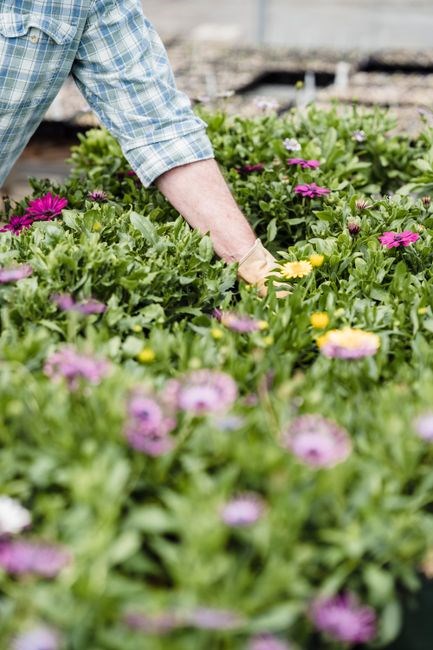
Since its first publication in 1989, The Practical Australian Gardener has become a cornerstone for home gardeners across the country. Authored by the legendary Peter Cundall, the guide distills decades of experience into clear, actionable advice; The book covers a wide array of topics—from selecting the right plant for your soil type to mastering seasonal tasks with sensible organic methods. Its approachable tone and practical illustrations make complex horticultural concepts accessible to beginners while still offering depth for seasoned growers. Cundall’s emphasis on ecological stewardship encourages readers to work with nature rather than against it, promoting sustainable practices such as composting, mulching, and companion planting. The guide’s enduring popularity is reflected in its multiple re‑issues, each updated to reflect new research and regional variations. In Tasmania, the book serves as a trusted resource, providing climate‑specific recommendations that help local growers navigate the island’s unique weather patterns and soil conditions. Whether you’re planting a modest kitchen garden or managing a larger backyard plot, The Practical Australian Gardener offers a reliable framework for achieving healthy, productive results. Moreover, the guide’s layout features a handy planting calendar that aligns with the Australian seasons, allowing readers to plan sowing, transplanting, and harvesting with precision. Cundall’s insights into pest management are valuable, offering green natural deterrents and measures that reduce reliance on chemical controls; The book also includes sections on garden design, landscape integration, and the use of native species, encouraging biodiversity and resilience. Its legacy is evident in the countless testimonials from gardeners who credit the book with transforming their plots into thriving, sustainable ecosystems. As a living document, The Practical Australian Gardener continues to evolve, incorporating new horticultural discoveries while staying true to its core philosophy of thoughtful, environmentally conscious gardening. Readers often remark that the book’s clear diagrams and step‑by‑step instructions make even the most intimidating tasks manageable.
Publication History and Editions
The Practical Australian Gardener debuted in 1989, quickly establishing itself as a definitive horticultural reference. Over the decades, the book has seen numerous re‑issues, each incorporating fresh research, updated illustrations, and region‑specific advice. The 1995 edition added a comprehensive section on organic pest control, while the 2002 revision introduced a new chapter on companion planting tailored to Australian climates. In 2010, a special Tasmanian edition was released, featuring climate‑adapted planting schedules and soil‑management tips for the island’s unique conditions. Subsequent editions in 2015 and 2020 further refined the content, adding digital resources and interactive online tools. The latest 2023 printing includes a QR‑coded appendix linking to a dynamic planting calendar and a community forum for readers to share local insights. Each edition maintains the core philosophy of practical, environmentally conscious gardening, ensuring that both novice and experienced growers benefit from Cundall’s seasoned expertise. The book’s publication journey reflects the evolving landscape of Australian horticulture. Early print runs were limited to 5,000 copies, but demand surged, prompting larger editions in 1992 and 1998. The 2007 edition introduced a companion workbook, allowing gardeners to record observations and track progress. In 2018, a bilingual English‑German version was launched to reach a broader audience. The 2021 edition incorporated a new section on climate resilience, addressing the impacts of rising temperatures nowand.
Adapting the Guide to Tasmanian Climate Conditions
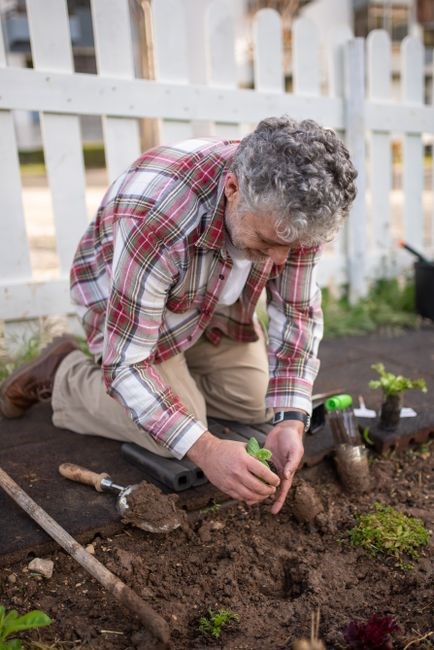
The guide also highlights the importance of native plant integration, encouraging the use of Tasmanian natives such as Banksia, Eucalyptus, and Acacia to enhance biodiversity and provide natural pest deterrence. It explains how to create layered beds that mimic the island’s natural strata, promoting beneficial insects and improving soil structure. Additionally, the guide offers a section on rainwater harvesting, detailing how to set up a simple catchment system that supplies irrigation during dry spells, reducing reliance on mains water and supporting sustainable gardening practices.
The guide’s practical advice extends beyond planting dates, offering a detailed section on soil amendments that cater to Tasmania’s diverse micro‑climates. It recommends a layered composting system that incorporates local pine needles, which help lower soil pH and improve drainage. The text also advises on the use of mulch, suggesting a mix of shredded bark and leaf litter to retain moisture during the cooler months while suppressing weeds. For gardeners with limited space, the guide introduces vertical gardening techniques, explaining how to install trellises and support structures that maximize yield on small plots. It also includes a troubleshooting matrix for common issues such as frost damage, nutrient deficiencies, infestations. The guide further emphasizes the importance of water‑conservation practices, detailing rain‑water harvesting setups, drip irrigation systems, and the use of permeable paving to reduce runoff. By integrating these strategies, Tasmanian growers can create resilient, low‑maintenance gardens that thrive in the island’s unique conditions.
Year-Round Vegetable Planting Schedule
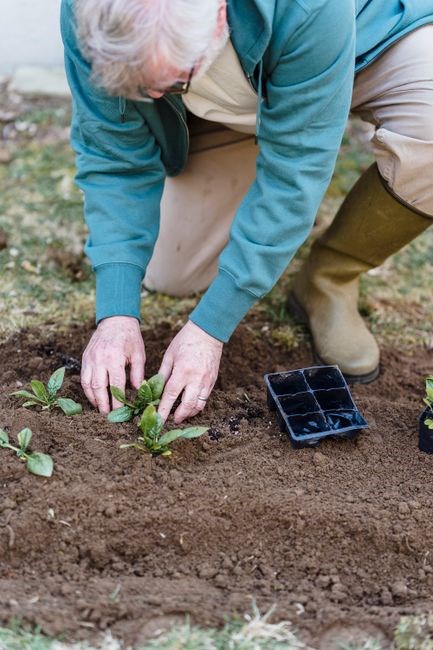
Follow Peter Cundall’s year‑round plan: sow spring greens early, summer root crops mid‑season, autumn herbs later, and winter greens in protected beds. The fridge‑magnet calendar keeps dates handy, ensuring Tasmania’s cool climate yields fresh produce all year. Planting times mulchwell keeps soil warm.
Spring Planting Guidelines
In spring, Peter Cundall advises Tasmanian growers to start seedlings early, taking advantage of the mild temperatures that follow the winter chill. Begin by preparing raised beds or well‑drained plots, loosening the soil and incorporating compost to boost fertility. Sow cool‑weather crops such as lettuce, spinach, peas, and broccoli in early March, ensuring seedbeds are kept moist but not waterlogged. As temperatures rise, transition to warm‑weather vegetables like tomatoes, peppers, cucumbers, and eggplants around late April to early May. Use mulch to conserve moisture and suppress weeds, and consider intercropping with fast‑growing herbs like basil or marigold to deter pests naturally. The fridge‑magnet planting guide, a handy tool endorsed by local experts, provides a visual schedule that aligns with Tasmania’s unique climate, helping gardeners track sowing dates, transplanting times, and expected harvest windows. By following these spring guidelines, growers can establish a robust crop base that will carry through the summer and into autumn, ensuring a steady supply of fresh produce throughout the year. Remember to rotate crops each season to maintain soil health, and keep a gardening journal to note successes and challenges; Incorporate cover crops such as clover or rye to fix nitrogen and improve soil structure. Use organic pest control methods, like neem oil or ladybird releases, to protect tender seedlings. Water consistently, especially during dry spells, but avoid overwatering to prevent root rot. Finally, celebrate early harvests with a small garden party, sharing the bounty with neighbors and fostering community pride in sustainable Tasmanian gardening. Enjoy the seasonal rhythm and watch your garden thrive. Thanks
Summer Planting Guidelines
During the Tasmanian summer, Peter Cundall recommends planting heat‑tolerant vegetables that can thrive in the warm, often humid conditions. Begin by selecting well‑drained soil and applying a balanced organic fertilizer to support vigorous growth. Sowing tomatoes, peppers, eggplants, and okra in late June to early July ensures seedlings receive ample sunlight while avoiding the peak heat of midsummer. For continuous harvest, stagger sowing of beans, cucumbers, and squash every two weeks, allowing successive crops to mature as earlier ones finish. Use mulch to keep soil cool, retain moisture, and reduce weed competition. The fridge‑magnet planting guide, a practical tool popular among Tasmanian gardeners, displays precise sowing dates and transplant times, helping growers stay on schedule. Protect seedlings from afternoon sun with shade cloth or by planting in the early morning. Water deeply at dawn or dusk to minimize evaporation, and monitor for pests such as aphids or cucumber beetles, applying organic controls like neem oil or ladybird releases. Rotate crops each season to maintain soil health, and incorporate cover crops such as clover or rye to fix nitrogen and improve soil structure. Harvest tomatoes when fully colored, and pick cucumbers and squash regularly to encourage further fruiting. Celebrate the bounty with a community potluck, sharing fresh produce and fostering a sense of local pride in sustainable Tasmanian gardening. Enjoy the season’s bounty and keep the garden thriving. The guide also advises using drip irrigation to conserve water, and suggests planting basil near tomatoes to deter pests naturally. Keep log daily now.
Autumn Planting Guidelines
Peter Cundall’s Tasmanian autumn planting strategy focuses on crops that mature before the cooler season sets in. Start by preparing beds with composted leaf mulch to retain moisture and add organic matter. Sow hardy greens such as kale, spinach, and lettuce in late August to early September, ensuring seedlings receive full sun for the first weeks. For root vegetables, plant carrots, parsnips, and beetroot in September, spacing them to allow deep growth. Cabbage and broccoli benefit from a transplant in early October, with a protective mulch to shield roots from sudden temperature drops. Use the fridge‑magnet planting guide to track sowing dates and monitor soil temperature; a minimum of 10°C is ideal for most cool‑season crops. Water consistently, especially during dry spells, but avoid overwatering as soil drains slower in autumn. Incorporate nitrogen‑fixing cover crops like clover or vetch to enrich the soil before the next planting season. Pest management should focus on early detection of slugs and aphids; organic deterrents such as crushed garlic or neem oil can be applied safely. Harvest leafy greens regularly to encourage continuous production, and pick root crops when they reach the desired size. Finally, document yields and observations on the magnet for future reference, ensuring each year’s plan improves on the last. This approach aligns with Cundall’s emphasis on sensible organic methods and seasonal timing, keeping Tasmanian gardens productive and sustainable. Enjoy the harvest and share the joy with friends and family.
Winter Planting Guidelines
In Tasmania’s cooler months, Peter Cundall recommends focusing on hardy, low‑maintenance crops that thrive in mild winter temperatures. Begin by mulching beds with fresh leaf litter or straw to insulate soil and retain moisture. Sow cold‑tolerant greens such as spinach, kale, and lettuce in early July, spacing rows to allow light penetration. For root crops, plant carrots, parsnips, and beetroot in mid‑July, ensuring soil is loose and well‑drained. Use the fridge‑magnet planting guide to record sowing dates and monitor soil temperature; a minimum of 8 °C is ideal for most winter crops. Water sparingly, keeping the surface moist but avoiding soggy conditions that encourage fungal growth. Apply a light layer of organic compost to provide nutrients without overheating the roots. Pest control should focus on slug and snail prevention; organic deterrents like crushed garlic or iron phosphate can be applied safely. Harvest leafy greens regularly to encourage continuous production, and pick root crops when they reach a manageable size. Document yields and observations on the magnet for future reference, refining each year’s plan. By following Cundall’s sensible organic methods, Tasmanian gardeners can enjoy a productive winter garden that supports biodiversity and soil health.
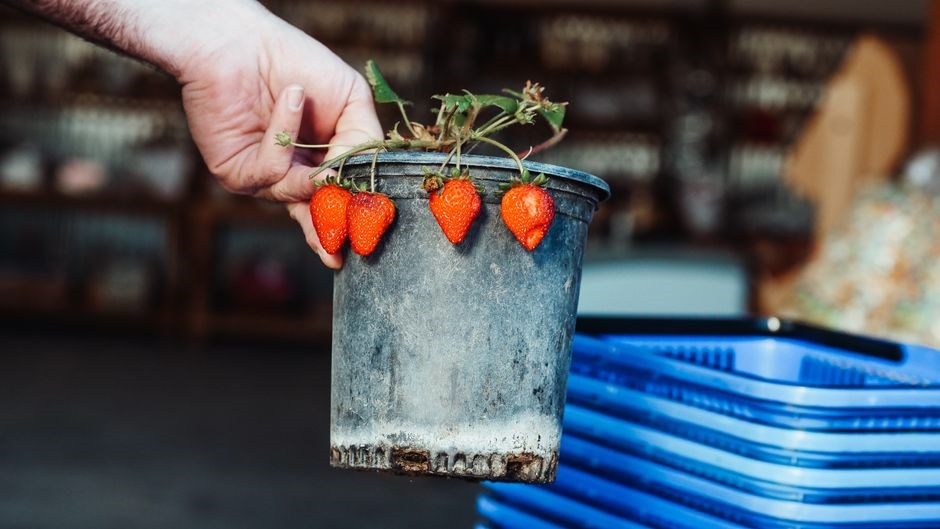
Remember to rotate crops placing legumes like after feeders to replenish nitrogen. Add a thin compost tea layer before sowing to boost microbes. Keep a log on the fridge magnet to note weather and yields for decisions next season. Enjoy!
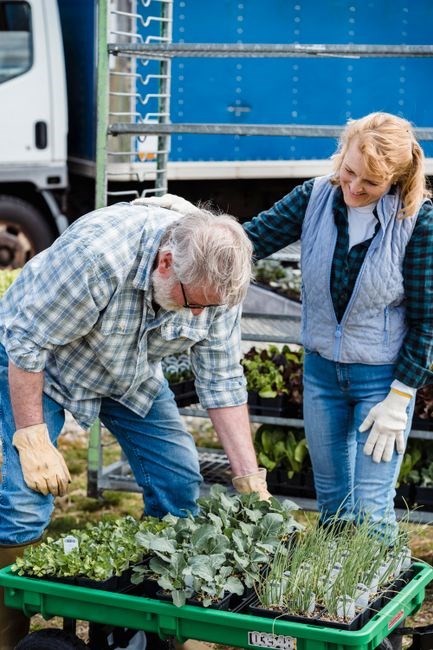
Seasonal Tasks and Sensible Organic Methods
Use compost, mulch, and crop rotation. Apply organic fertilizer, encourage beneficial insects, and avoid chemical sprays. Follow Cundall’s guidelines for each season, record on fridge magnet, and adapt to Tasmania’s cool climate. Add mulch for heat.
Fertilizer Recommendations
Peter Cundall’s Tasmanian guide stresses organic, low‑impact fertilisers that match the island’s cool, moist climate. Start with a balanced base: a 10‑10‑10 compost or well‑aged manure mixed into the top 15‑20 cm of soil before planting. For leafy greens, add a light side‑dressing of liquid seaweed or kelp at the first true‑leaf stage; it supplies trace minerals and a gentle nitrogen boost. Root crops benefit from a slow‑release granular mix of bone meal and rock phosphate applied at sowing, then a second top‑dressing of composted green waste in mid‑season. Tomato and pepper beds receive a 2‑week pre‑planting soak in a diluted fish‑emulsion solution (1 tsp per litre), followed by a fortnightly spray of kelp‑based liquid to support fruit set. Avoid synthetic nitrogen spikes that can burn seedlings; instead, use a split application of compost tea, applying half at transplant and half at the first flowering. In Tasmania’s wet winters, mulch with shredded bark or straw to retain moisture, suppress weeds, and slowly release nutrients. Finally, test soil pH annually; if it drops below 6.0, add dolomitic lime to raise pH and improve calcium uptake. These practices, combined with Cundall’s seasonal timing, keep plants healthy, reduce disease risk, and produce abundant, flavourful harvests. By following these guidelines, Tasmanian gardeners can minimise environmental impact while maximising yield, honouring Cundall’s legacy of sustainable, community‑focused horticulture. In addition, incorporate 5 kg of worm castings per square metre into the root zone at the start of the growing season; this boosts microbial activity and improves soil structure. For fruiting crops, apply a mild potassium‑rich foliar spray (e.g., kelp extract) every 10 days during the fruit‑set phase to enhance colour and shelf life. Remember to keep a log of fertiliser applications on the fridge‑magnet guide so you can track what worked best for each plot. Seasonal adjustments, such as applying a light dusting of crushed eggshells in early spring, can further enhance calcium levels without altering pH. Also, compost tea brewed with nettle and comfrey leaves provides a natural nitrogen source, applied weekly during peak growth. These simple, low‑cost tweaks align with Cundall’s philosophy of using what nature already supplies, ensuring soil fertility remains robust throughout the year.
Companion Planting Strategies
Peter Cundall’s Tasmanian guide champions natural pest control and nutrient sharing through thoughtful companion planting. In cool, damp conditions, pair basil with tomatoes to deter aphids and enhance flavour, while marigolds around root crops repel nematodes. Plant dill or fennel near beans to attract pollinators and improve bean yield, and intersperse nasturtiums to lure whiteflies away from lettuce. Use onions or garlic adjacent to cabbage families to suppress cabbage moths. For soil enrichment, rotate legumes such as peas or lupins with heavy feeders; their nitrogen fixation replenishes soil fertility, allowing subsequent tomato or carrot beds to thrive. Incorporate clover or vetch as cover crops in winter, then mulch them under spring beds to add organic matter and suppress weeds; Position tall sunflowers or corn at the perimeter to provide windbreaks and shade, protecting tender seedlings from harsh Tasmanian sun. Add a layer of composted leaves beneath basil and mint to keep moisture high, and use a mulch of shredded bark around carrots to deter carrot flies. Finally, keep a companion planting chart on the fridge‑magnet guide, updating it each season to reflect what combinations worked best for your garden’s microclimate. This hands‑on approach, rooted in Cundall’s emphasis on ecological balance, ensures a healthier, more productive garden while reducing the need for chemical interventions. This guide also suggests rotating nitrogen‑rich cover crops annually to boost soilrich health.
Practical Tools: Fridge Magnet Planting Guide
Peter Cundall’s Tasmanian fridge‑magnet guide is a compact, weather‑proof calendar that sticks to any metal surface. It lists planting dates, seasonal tasks, and quick reminders, making garden planning easy and fun for every Tasmanian grower. Daily use.!!
Design and Functionality of the Magnet
The fridge‑magnet version of Peter Cundall’s Tasmanian planting guide is engineered for durability and clarity; Crafted from high‑density, UV‑resistant polymer, the magnet features a smooth, matte finish that resists fingerprints and moisture. Its magnetic core is a strong neodymium alloy, ensuring a firm hold on stainless steel, chrome, or any metal surface, even in damp kitchen environments. The design incorporates a dual‑layer layout: the top layer displays a concise, colour‑coded planting calendar, while the underside hosts a detachable, adhesive strip for quick updates. Each month is divided into weekly slots, with icons for key tasks such as sowing, fertilising, and pruning. The guide also includes a small, built‑in QR code that links to an online resource for seasonal tips and troubleshooting. Users can slide the calendar forward or backward to match the current year, and the magnet’s edge is rounded to prevent accidental damage to the fridge door. Overall, the tool merges practicality with aesthetic appeal, making garden planning a tactile, everyday experience.
The magnet’s ergonomic shape allows easy repositioning without marks. Its construction lets it be carried between gardens or stored when not in use. The guide’s back side is printed with a subtle, water‑resistant coating that protects info from condensation, ideal for humid kitchens. Available in various colours, it comes with a lifetime warranty. Its magnetic strength is rated to hold up to 1.5 kg, ensuring the guide stays firmly in place even during cooking sessions.!
User Feedback and Gift Ideas
Users across Tasmania rave about the practicality of Peter Cundall’s magnetised planting guide. Gardeners report that the clear, colour‑coded layout keeps sowing dates front‑and‑center, while the strong magnet holds the chart securely on the fridge even in humid kitchen corners. Many note that the guide’s compact size fits neatly beside the stove, turning routine checks into a quick glance rather than a chore.
Positive reviews highlight the guide’s adaptability: “I’ve used it for three seasons now, and the layout hasn’t changed, but the colour coding has helped me keep my winter crops on track.” Another gardener comments, “The magnet stays put during cooking, and the QR code links to helpful video tutorials.” These testimonials underscore the guide’s blend of simplicity and tech‑savvy support.
As a gift, the magnet is a hit with seasoned growers and novices alike. Its durable construction and clear instructions make it a practical present for birthdays, house‑warmings, or as a thank‑you to a fellow green‑thumb. The guide’s compact size and magnetic feature mean it can be displayed anywhere, from the kitchen to the workshop, ensuring the recipient never loses track of planting schedules.
Collectors of the magnet note its robust finish, making it ideal for both indoor and outdoor use. Some gardeners even use it as a decorative wall piece, arranging multiple magnets to create a seasonal calendar wall. The guide’s friendly tone and practical tips have made it a staple in many Tasmanian homes, inspiring new planting projects each year!!!..
Availability and Further Resources
Peter Cundall’s Tasmanian planting guide is sold by Penguin Books Australia and available on Amazon.com.au in paperback and Kindle. The guide includes QR codes linking to video tutorials and is tailored for Tasmania’s seasons.
Local garden centres and the ABC Hobart website feature the guide in seasonal sections, with commentary from regional horticulturists. The 2008 ABC feature highlights Cundall’s year‑round schedule for Tasmania.
Forums and community groups share downloadable PDFs of key sections, ensuring even those without a copy can use Cundall’s advice. The guide’s companion website hosts a forum for discussing schedules and troubleshooting.
Supplementary resources include the Seasonal Tasks series, expanding on organic fertiliser recommendations and companion planting. They are available through university extension programs and the Australian Gardening Society’s online library.
To support ongoing learning, the portal also hosts downloadable worksheets for tracking soil health, pest monitoring, and composting schedules. The publisher’s subscription service delivers seasonal newsletters featuring new varieties, pest alerts, and success stories from Tasmanian growers. Physical copies are available in hardback and softback editions, with the hardback including a laminated pocket for notes and a seed packet for quick planting. The guide’s design prioritises clarity, with bold headings, colour‑coded sections, and concise bullet points that make it easy to reference during busy gardening days. Whether you’re a seasoned horticulturist or a novice gardener, Peter Cundall’s Tasmanian planting guide remains an indispensable companion for cultivating a thriving garden that respects local conditions and sustainable practices.
Gardeners can reach out to the publisher’s support team via emailor theguide’s embedded contact form for personalized advice. The guide also encourages participation in local seed‑exchange groups, where growers can swap heirloom varieties and share climate‑adapted techniques. By integrating these community resources, the guide not only provides planting instructions but fosters a network of Tasmanian horticulturalists dedicated to sustainable, climate‑smart gardening practices.