Exploring interactive tools for wellbeing is crucial‚ especially considering the growing focus on mental health in humanitarian emergencies‚ as highlighted on October 10‚ 2025.
The Growing Importance of Mental Wellbeing (as of 03/06/2026)
Today‚ March 6th‚ 2026‚ underscores a pivotal shift in global health priorities‚ recognizing mental wellbeing as intrinsically linked to overall health. The World Health Organization (WHO) consistently emphasizes this connection‚ defining mental health as a state of wellbeing enabling individuals to navigate life’s stresses‚ realize their potential‚ and contribute to their communities – a perspective solidified by December 16th‚ 2025’s declarations.
Furthermore‚ the upcoming UN General Assembly high-level meeting on noncommunicable diseases (NCDs) in September 2025‚ as noted on May 6th‚ 2025‚ prominently features mental health‚ signaling its elevation on the international agenda. This growing awareness is particularly critical given the escalating mental health needs within humanitarian emergencies‚ as highlighted by the October 10th‚ 2025 World Mental Health Day campaign. Addressing this requires innovative approaches and expanded care‚ as discussed on October 8th‚ 2025.
Defining Mental Health: WHO Perspective (Dec 16‚ 2025)
According to the World Health Organization’s definition‚ established on December 16th‚ 2025‚ mental health isn’t merely the absence of mental illness‚ but a state of wellbeing. This positive state empowers individuals to effectively manage life’s inherent stresses‚ unlock their capabilities‚ and contribute meaningfully to their communities. It possesses both intrinsic and instrumental value‚ fundamentally interwoven with overall wellbeing.
The WHO emphasizes that numerous factors – individual‚ familial‚ communal‚ and structural – can either safeguard or undermine mental health at any given time. This holistic view acknowledges the complex interplay influencing psychological wellbeing. Recognizing this complexity is crucial when considering interventions‚ including the potential of games and activities to foster positive mental states. The WHO’s commitment to equipping health and social care professionals (July 11‚ 2025) further underscores this dedication to comprehensive mental health support.
Games & Activities for Specific Mental Health Needs
Targeted interventions‚ utilizing games and activities‚ are vital for addressing diverse mental health challenges‚ particularly within non-health settings (Oct 8‚ 2025).
Activities for Managing Anxiety
Anxiety management benefits significantly from engaging activities designed to promote calm and focus. Mindfulness-based exercises‚ such as guided meditation and deep breathing techniques‚ are incredibly effective. These practices encourage present moment awareness‚ reducing the tendency to dwell on future worries or past regrets.
Creative outlets like art therapy‚ journaling‚ and music can also provide a healthy channel for expressing anxious feelings. Physical activity‚ even a short walk‚ releases endorphins that have mood-boosting effects. Simple games focusing on pattern recognition or problem-solving can distract from anxious thoughts and promote cognitive flexibility.
Furthermore‚ incorporating these activities into daily routines‚ as suggested for broader mental health support (Oct 8‚ 2025)‚ can build resilience. Remember‚ consistent practice is key to experiencing lasting benefits. Utilizing resources from organizations like WHO (Jul 11‚ 2025) can provide structured guidance and support.
Games for Reducing Stress
Stress reduction can be effectively achieved through playful engagement‚ offering a welcome respite from daily pressures. Puzzle games‚ like Sudoku or crosswords‚ demand focused attention‚ diverting the mind from stressors. Simple mobile games requiring quick reflexes can provide a momentary escape and a sense of accomplishment.
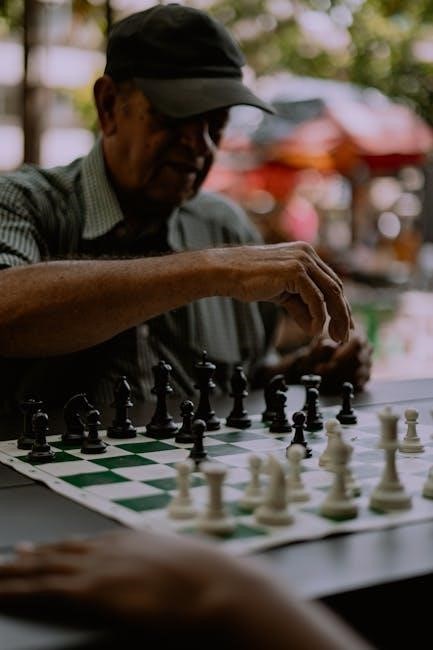
Collaborative board games foster social connection‚ a vital buffer against stress‚ while also encouraging communication and teamwork. Even lighthearted video games can offer a relaxing distraction. Incorporating physical games‚ like a quick dance break or a playful toss of a ball‚ releases endorphins and reduces muscle tension.
Remember the importance of integrating these activities into daily routines (Oct 8‚ 2025) for sustained benefits. Accessing resources from organizations like WHO (Jul 11‚ 2025) can provide guidance on selecting appropriate games and activities. Prioritizing play is a powerful self-care strategy.
Tools for Coping with Depression
Addressing depression requires multifaceted support‚ and engaging activities can be a valuable component of a broader treatment plan. Creative outlets‚ like digital art or music creation apps‚ can provide a non-verbal means of expression and emotional release. Games promoting problem-solving skills can foster a sense of agency and accomplishment‚ combating feelings of helplessness.
Mindfulness-based games‚ guiding users through meditation or breathing exercises‚ can help regulate emotions and reduce negative thought patterns. Socially connected games‚ even simple online interactions‚ can combat isolation‚ a common symptom of depression.
It’s crucial to remember that these tools are supplementary and should not replace professional help. WHO resources (Jul 11‚ 2025) emphasize the need for comprehensive mental health support. Integrating these activities into daily routines (Oct 8‚ 2025) can contribute to overall wellbeing‚ but professional guidance is paramount.
Types of Mental Health Games & Activities
Diverse approaches—mindfulness‚ creative expression‚ CBT-inspired games‚ and physical activity—offer varied pathways to improved mental wellbeing‚ supporting individuals and communities.
Mindfulness-Based Activities
Mindfulness practices‚ increasingly recognized for their therapeutic benefits‚ form a cornerstone of many mental health games and activities. These techniques cultivate present moment awareness‚ helping individuals detach from ruminative thoughts and anxious projections. Simple exercises‚ like guided meditation apps or mindful breathing games‚ can be readily integrated into daily routines.
Activities often involve focusing on sensory experiences – sounds‚ sights‚ smells – to anchor oneself in the ‘now’. Digital games incorporating biofeedback mechanisms can further enhance mindfulness‚ providing real-time data on physiological responses to stress. This allows users to learn self-regulation techniques more effectively. The WHO emphasizes the importance of mental wellbeing‚ and mindfulness directly contributes to this state by enabling individuals to cope with life’s stresses.
Furthermore‚ mindful movement practices‚ such as yoga or Tai Chi‚ can be gamified to increase engagement and adherence. These activities promote both physical and mental health‚ fostering a holistic approach to wellbeing. Resources are available to support implementation in diverse settings‚ including schools and workplaces.
Creative Expression Activities (Art‚ Music‚ Writing)
Harnessing the power of creativity offers a potent avenue for emotional processing and self-discovery within mental health support. Activities like art therapy‚ music creation‚ and expressive writing provide non-verbal outlets for feelings that may be difficult to articulate. These methods bypass cognitive barriers‚ allowing for direct emotional release and exploration.
Digital tools now facilitate accessible creative expression; apps offer virtual painting‚ music composition‚ and guided journaling prompts. These platforms can be particularly beneficial for individuals hesitant to engage in traditional art forms. The UN General Assembly’s focus on NCDs acknowledges the integral role of mental health‚ and creative outlets contribute significantly to overall wellbeing.
Moreover‚ collaborative art projects or songwriting exercises can foster a sense of community and shared experience. These activities promote social connection‚ combating feelings of isolation often associated with mental health challenges. Resources and PDF downloads can guide implementation‚ ensuring safe and effective facilitation.
Cognitive Behavioral Therapy (CBT) Inspired Games
Leveraging principles of Cognitive Behavioral Therapy (CBT) within game formats offers a dynamic approach to managing thought patterns and behaviors. These games often focus on identifying negative automatic thoughts‚ challenging cognitive distortions‚ and developing more adaptive coping mechanisms. Interactive scenarios simulate real-life situations‚ allowing individuals to practice new skills in a safe environment.
Digital CBT games frequently incorporate elements of gamification – points‚ rewards‚ and levels – to enhance engagement and motivation. This approach can be particularly effective for individuals who find traditional therapy daunting. The WHO emphasizes the importance of addressing the mental health care gap‚ and accessible CBT games represent a scalable solution.
Furthermore‚ these games can be tailored to address specific anxieties or phobias‚ utilizing exposure therapy techniques in a controlled manner. PDF resources detailing game mechanics and therapeutic rationales can support both self-guided use and professional implementation‚ fostering improved mental wellbeing.
Physical Activity & Games for Mental Health
Integrating physical activity with game-like elements provides a powerful synergy for boosting mental wellbeing. Games encouraging movement – from simple dance challenges to interactive sports simulations – release endorphins‚ natural mood elevators‚ and reduce stress hormones. This approach acknowledges the holistic connection between physical and mental health‚ vital in addressing the care gap.
Structured physical activity‚ even in short bursts‚ can significantly alleviate symptoms of anxiety and depression. Games promoting teamwork and social interaction further enhance these benefits‚ fostering a sense of community and belonging. The WHO highlights the need for innovative approaches‚ and active games fit this criteria.
PDF guides detailing adaptable exercise routines and game modifications can empower individuals of all fitness levels to participate. These resources can be implemented in diverse settings‚ including schools and community centers‚ promoting widespread access to mental health support.
Resources & PDF Downloads
Access valuable guides from WHO and UNICEF‚ including training manuals for professionals‚ and downloadable resources supporting mental health initiatives globally‚ as of July 11‚ 2025.
WHO Resources for Mental Health Support (Jul 11‚ 2025)
The World Health Organization‚ in collaboration with UNICEF‚ has proactively addressed the critical need for skilled mental health support personnel. On July 11‚ 2025‚ they published a comprehensive new training manual specifically designed to equip health and social care professionals – and other vital workers – with the tools necessary to deliver effective and‚ crucially‚ safe support to adults experiencing mental health and psychosocial challenges.
This manual adopts a structured‚ competency-based approach‚ ensuring a standardized and thorough learning experience. It focuses on teaching and rigorously assessing foundational helping skills‚ including active listening‚ demonstrating genuine empathy‚ and fostering effective collaboration amongst team members and with individuals seeking support. The resource aims to bridge the existing care gap‚ particularly for common conditions like depression and anxiety‚ by expanding access to diversified care options.
While a direct PDF download of ‘mental health games and activities’ isn’t explicitly mentioned in this WHO resource‚ the foundational skills taught are directly applicable to implementing and facilitating such activities effectively and responsibly.
UN General Assembly & Mental Health (May 6‚ 2025)
The upcoming UN General Assembly high-level meeting on noncommunicable diseases (NCDs) in September 2025 has significantly elevated the prominence of mental health on the global agenda. As noted in an opening commentary authored by Dévora Kestel‚ Director of the Department of Mental Health‚ Brain Health‚ and Substance Use at the WHO‚ on May 6‚ 2025‚ mental health is now recognized as integral to overall health and wellbeing.
This increased attention underscores the need for innovative and accessible mental health interventions. While the UN documentation doesn’t directly detail ‘mental health games and activities pdf’ resources‚ the focus on integrating mental health into broader health strategies creates a supportive environment for exploring such tools.
The assembly’s emphasis on preventative measures and integrated care aligns perfectly with the potential of games and activities to promote early intervention and ongoing mental wellbeing‚ particularly within community settings.
World Mental Health Day Initiatives (Oct 10‚ 2025)
World Mental Health Day‚ observed on October 10‚ 2025‚ centers its campaign on the critical need to support the mental health and psychosocial wellbeing of individuals impacted by humanitarian emergencies. While official initiatives don’t explicitly mention ‘mental health games and activities pdf’ resources‚ the day’s focus inherently supports accessible‚ preventative mental health tools.
The emphasis on reaching vulnerable populations in crisis situations highlights the potential of easily deployable and engaging activities. Games and interactive tools can offer a sense of normalcy and coping mechanisms where traditional mental healthcare is limited.
Furthermore‚ the day’s call to action encourages innovative approaches to mental health support‚ creating an ideal context for promoting and utilizing readily available digital and printable resources like activity PDFs.

Implementing Games & Activities
Effective integration requires adapting activities for diverse age groups and routines‚ expanding care beyond traditional healthcare settings‚ utilizing resources like accessible PDFs.
Adapting Activities for Different Age Groups
Successfully implementing mental health games and activities necessitates careful consideration of developmental stages. For children‚ gamified mindfulness exercises and creative expression – art‚ music‚ or storytelling – prove highly effective‚ fostering emotional literacy in an engaging manner. Adolescents often benefit from activities promoting social connection and self-discovery‚ such as collaborative problem-solving games or journaling prompts.
Adults may respond well to CBT-inspired games focusing on cognitive restructuring and stress management techniques. Tailoring complexity is key; simpler activities suit younger children‚ while older individuals may appreciate more nuanced challenges. Accessibility is paramount‚ ensuring materials are available in various formats‚ including easily downloadable PDFs‚ to accommodate diverse learning styles and needs. Remember to prioritize safety and create a supportive environment where participants feel comfortable expressing themselves.
Integrating Activities into Daily Routines
Seamlessly weaving mental health activities into everyday life amplifies their impact. Short mindfulness exercises – even just five minutes – can be incorporated into morning or evening routines. Creative outlets‚ like journaling or doodling‚ can become regular habits during breaks or commutes. Utilizing readily available PDF resources facilitates easy access and implementation.
Consider “mental health check-ins” as part of family dinners or team meetings‚ encouraging open communication about feelings. Gamified stress-reduction techniques can be employed during stressful situations. The key is consistency and normalization; framing these activities not as “treatment” but as proactive self-care. This approach‚ particularly vital given the expanding need for support in non-health settings like schools and prisons‚ fosters a culture of wellbeing and resilience.
Mental Health Support in Non-Health Settings (Oct 8‚ 2025)
Expanding mental health support beyond traditional healthcare is paramount‚ addressing the significant care gap for conditions like depression and anxiety. Integrating accessible resources‚ such as downloadable PDF activity guides‚ into environments like schools‚ workplaces‚ and community centers is crucial. These settings can proactively offer stress-reduction games and mindfulness exercises.
Child protection services and prison systems also benefit from trained personnel utilizing these tools. The WHO’s training manual (Jul 11‚ 2025) emphasizes equipping workers with foundational helping skills. Utilizing gamified approaches can destigmatize mental health conversations and encourage participation. Innovative strategies are needed to diversify care‚ making support readily available where people already are‚ fostering a more inclusive and preventative approach to wellbeing.

The Role of Professionals
Professionals require training – like the WHO/UNICEF manual (Jul 11‚ 2025) – to effectively deliver mental health support and integrate activity-based interventions.
Training for Health & Social Care Workers (Jul 11‚ 2025)
Effective mental health support necessitates a well-trained workforce‚ and the WHO‚ in partnership with UNICEF‚ recognizes this critical need. On July 11‚ 2025‚ they published a new training manual specifically designed to equip health and social care professionals – and other supporting workers – with the skills to deliver safe and impactful assistance to adults experiencing mental health and psychosocial challenges.
This manual adopts a structured‚ competency-based approach‚ ensuring a consistent standard of care. It focuses on foundational helping skills‚ including active listening‚ demonstrating empathy‚ and fostering effective collaboration amongst team members and with individuals seeking support. The training emphasizes practical application‚ preparing workers to navigate complex situations and provide tailored interventions.
Crucially‚ this training can facilitate the integration of games and activities as therapeutic tools‚ empowering professionals to utilize innovative approaches alongside traditional methods. By building capacity in these areas‚ the WHO aims to address the significant mental health care gap and improve access to quality support for all.
Addressing the Mental Health Care Gap
The pervasive mental health care gap demands innovative solutions‚ particularly for common conditions like depression and anxiety. As highlighted on October 8‚ 2025‚ countries must actively explore expanding and diversifying care options to reach underserved populations. Traditional healthcare settings alone are insufficient to meet the growing need‚ necessitating a shift towards integrated approaches.
Mental health games and activities offer a promising avenue for bridging this gap. They can be implemented in non-health settings – such as child protection services‚ school health programs‚ and even prisons – extending support beyond conventional clinical environments. These tools are often cost-effective and can be delivered by a wider range of personnel‚ increasing accessibility.
Furthermore‚ the integration of such activities can promote early intervention and preventative care‚ reducing the burden on already strained mental health systems. By embracing these innovative strategies‚ we can move closer to ensuring equitable access to mental wellbeing for all.
Future Trends & Considerations
Leaders worldwide recognize the importance of mental health‚ driving innovative approaches to care‚ as discussed at the United Nations on December 16‚ 2025.
Innovative Approaches to Mental Healthcare (Dec 16‚ 2025)
The landscape of mental healthcare is rapidly evolving‚ demanding innovative solutions to bridge the significant care gap for conditions like depression and anxiety. Recognizing this‚ countries are actively exploring diversified care models‚ extending support beyond traditional healthcare settings. This includes integrating mental health support into child protection services‚ school health programs‚ and even correctional facilities – a crucial step towards accessibility.
Furthermore‚ the WHO‚ in collaboration with UNICEF‚ has recently published a training manual (July 11‚ 2025) designed to equip health and social care professionals with foundational helping skills. This competency-based approach emphasizes active listening‚ empathy‚ and collaborative care‚ fostering a more supportive and effective environment for individuals experiencing mental health challenges. The focus is shifting towards proactive‚ preventative measures‚ utilizing accessible tools and resources to promote overall wellbeing.
Global Mental Health Initiatives (Dec 16‚ 2025)
Mental health is gaining unprecedented prominence on the global stage‚ evidenced by its inclusion in preparations for the UN General Assembly high-level meeting on noncommunicable diseases (NCDs) in September 2025. This signifies a growing international recognition of mental wellbeing as integral to overall health and sustainable development. Initiatives are focusing on addressing mental health in humanitarian emergencies‚ acknowledging the unique challenges faced by populations affected by crises like natural disasters and conflicts.
World Mental Health Day (October 10‚ 2025) serves as a powerful annual reminder of the critical need to prioritize mental health and psychosocial support. These global efforts aim to reduce stigma‚ increase access to care‚ and promote preventative strategies‚ ultimately striving for a world where everyone can thrive mentally and emotionally. Collaboration between organizations like the WHO and UNICEF is key to driving these initiatives forward.